Cookies and the protection of your data

We use cookies to improve the functionality of the website, to offer you a better website experience and to provide social media features. You give your consent by clicking on “Accept all Cookies” or as part of your individual settings. Please find detailed information on the use of cookies on this website in our Data Privacy Statement.

Functional Cookies

These cookies are necessary for the operation of the site and enable security-relevant functions. In addition, we determine whether you want to remain logged in and to make our services available to you when you change between this and other websites.

Statistical Cookies

These cookies are used for analyzing user behavior on our website with the aim of improving user navigation. All data collected is evaluated anonymously. Further information is available on our data protection site.

Marketing Cookies

These cookies are used to deliver relevant advertising or to limit how many times you see an ad. Marketing cookies can share that information with the advertiser (third-party cookies). The legal basis for the data processing is the consent of the user.

Share on:

iF Design Center Chengdu

ABC. Avantgarde - Bauhaus - Corporate Design

Date
Friday, 6 September 2019
Location
Gutenberg-Museum, Museum für Buch-, Druck- und Schriftgeschichte, Liebfrauenplatz 5, Mainz
Country
Germany
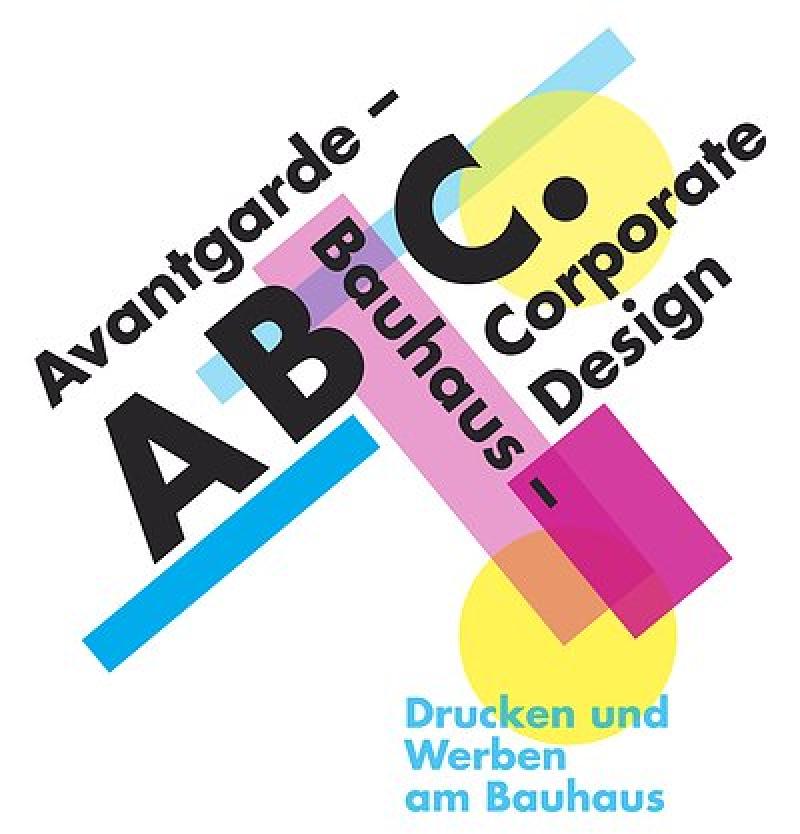
The Mainz Gutenberg Museum, Weltmuseum der Druckkunst, highlights the Bauhaus typography, which has revolutionized graphic and communication design and continues to influence it worldwide. The exhibition "ABC - Avantgarde - Bauhaus - Corporate Design" shows the prerequisites and different phases of the development of the "Bauhaus typography", as it first emerged in Weimar and especially between 1925 and 1932 at the new location in Dessau. Above all, the artistic quality and originality of the illustrated typographic designs and products are surprising and form a focal point of the exhibition, which documents the creative-creative potential as well as the functional significance of the Grotesk-Schrift at the Bauhaus - and far beyond.